Blog
How Ariha Sources Medjoul Dates from Palestine Amidst Conflict & War?

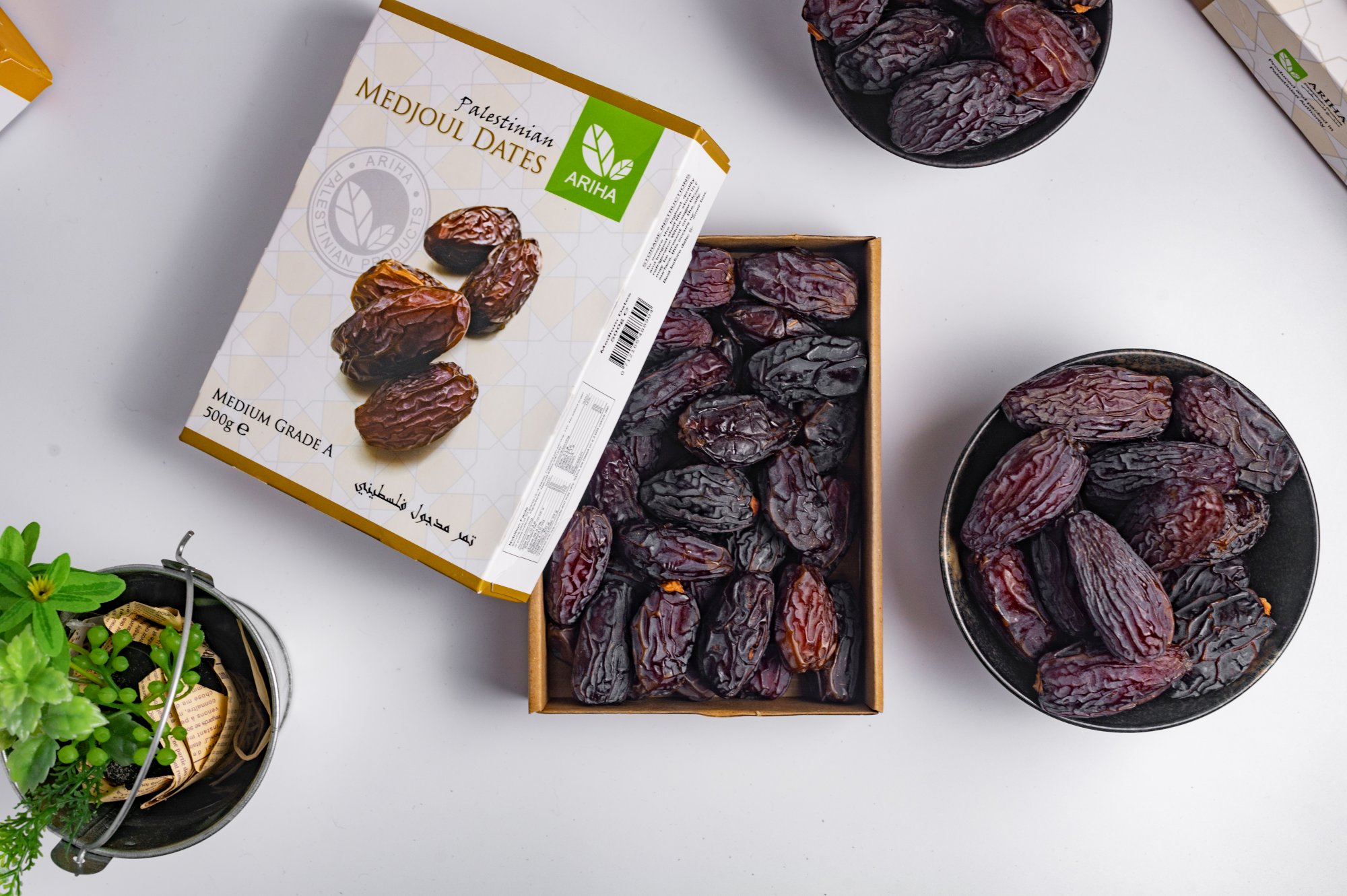
During times of hardship, it is natural to ask how life continues. Many have wondered how Ariha is still able to source Medjoul dates from Palestine, and how Palestinian farmers continue to tend their land and harvest this precious fruit amid conflict and uncertainty.
We created this FAQ to offer clarity and transparency, but also to share a deeper story: one of resilience, dedication, and hope. It explains how Palestinian Medjoul dates are grown, why quality remains uncompromised, and how every Ariha Medjoul date reflects the strength of the farmers and communities behind it.
Question 1: Where do Ariha Medjoul dates come from?
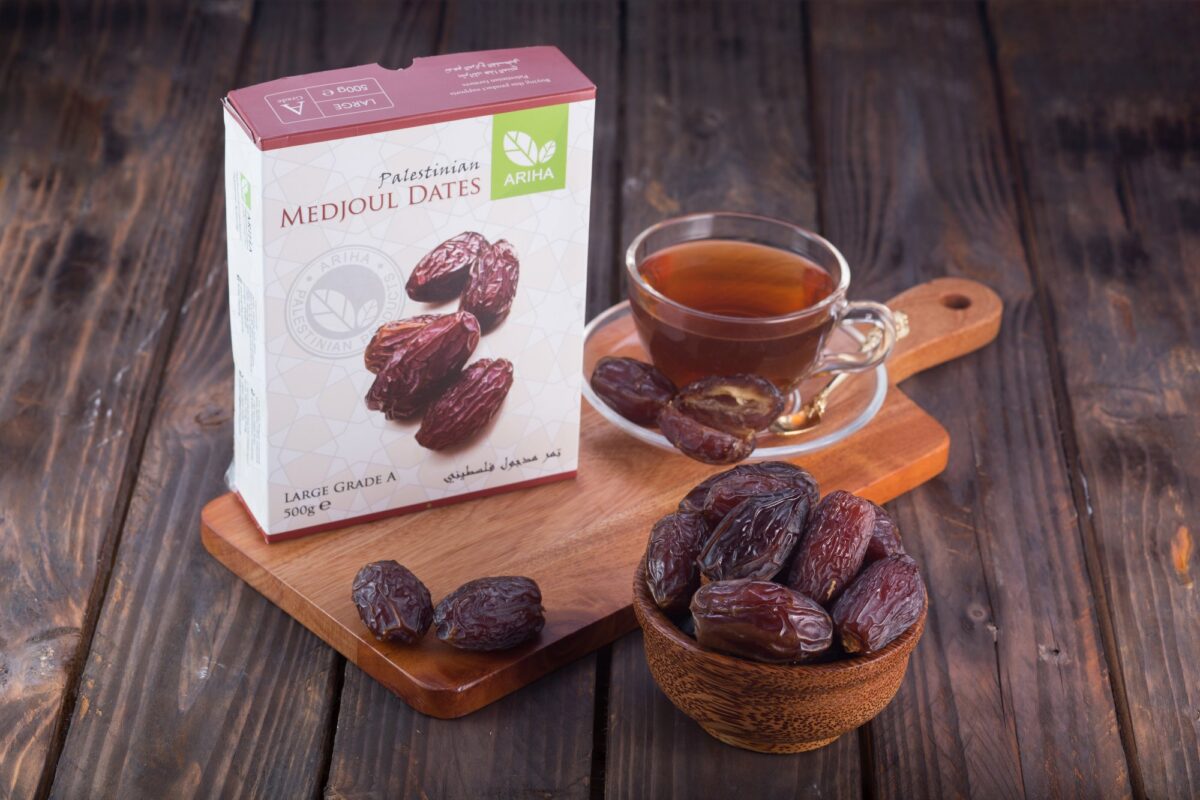
Ariha Medjoul dates are sourced from Palestinian farms, in the Ariha (Jericho) area of the Jordan Valley in the West Bank. This region is known for its ideal climate for growing premium Medjoul dates and is geographically separate from Gaza.

Question 2: How are Palestinian farmers still harvesting Medjoul dates despite ongoing conflict?
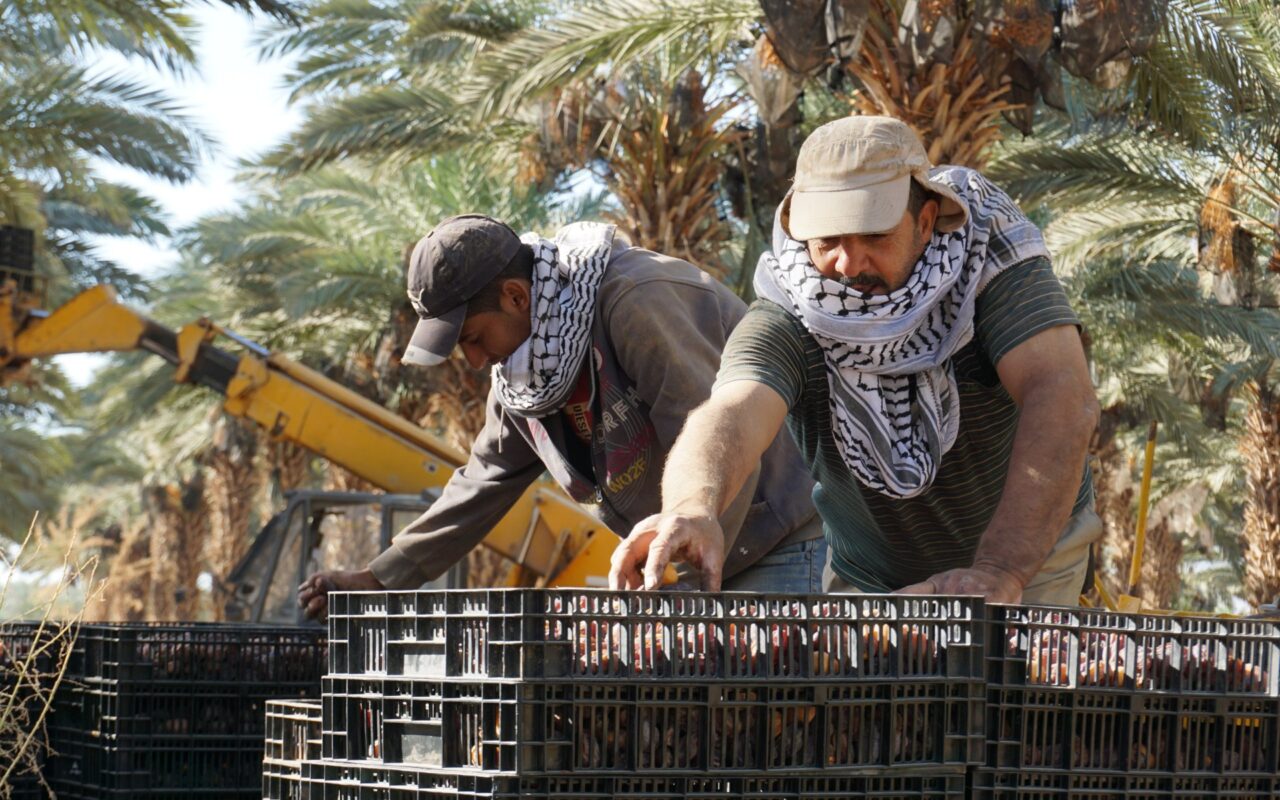
Medjoul date palms are long-living trees that continue to produce fruit each year. While conditions are challenging, farmers harvest whenever land access is possible because farming is essential for their livelihood. The continued harvest reflects resilience and careful long-term farming.

Question 3: Does this mean farming conditions are normal in Palestine?
No. Farming in Palestine continues despite restrictions and hardship, not because conditions are easy. Harvesting often involves higher costs, limited access, and significant effort by farmers to maintain their crops.
Question 4: Why are Palestinian Medjoul dates often softer and juicier?
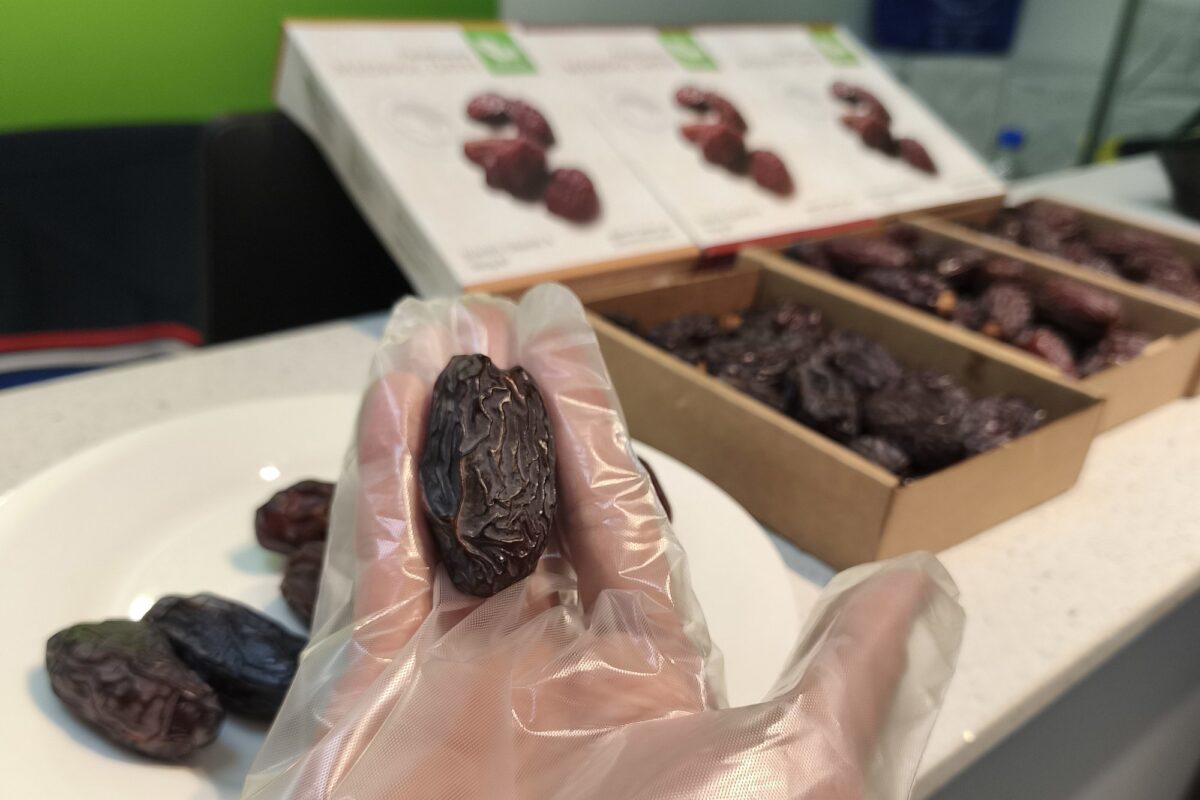
The hot days and cooler nights of Ariha (Jericho), combined with traditional farming and careful harvesting, result in Medjoul dates that are naturally soft, moist, and rich in flavour. Minimal processing helps preserve their natural texture.
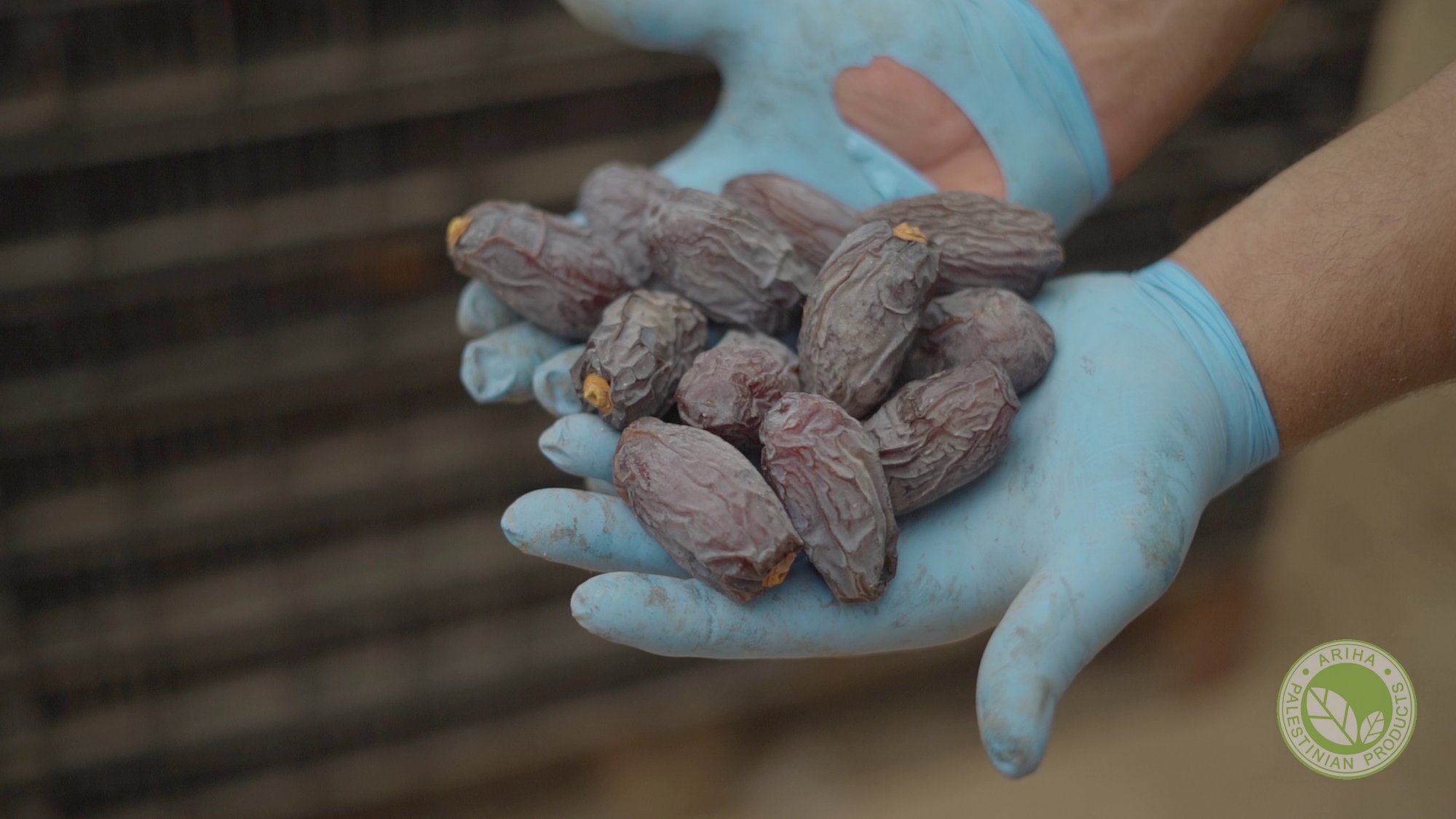
Question 5: Why do Palestinian Medjoul dates sometimes cost more?
Palestinian farmers operate on a smaller scale with fewer resources and higher production challenges. Pricing reflects fair compensation for farmers, careful handling, and the quality of the product.

Question 6: Is Palestinian agriculture the same as Israeli agriculture?
Although they share similar climates, the conditions are very different. Palestinian farmers often face more restrictions on land, water access, and movement, and receive far less institutional support. These differences strongly affect how farming is carried out.

Question 7: Are Ariha Medjoul dates hand-harvested?
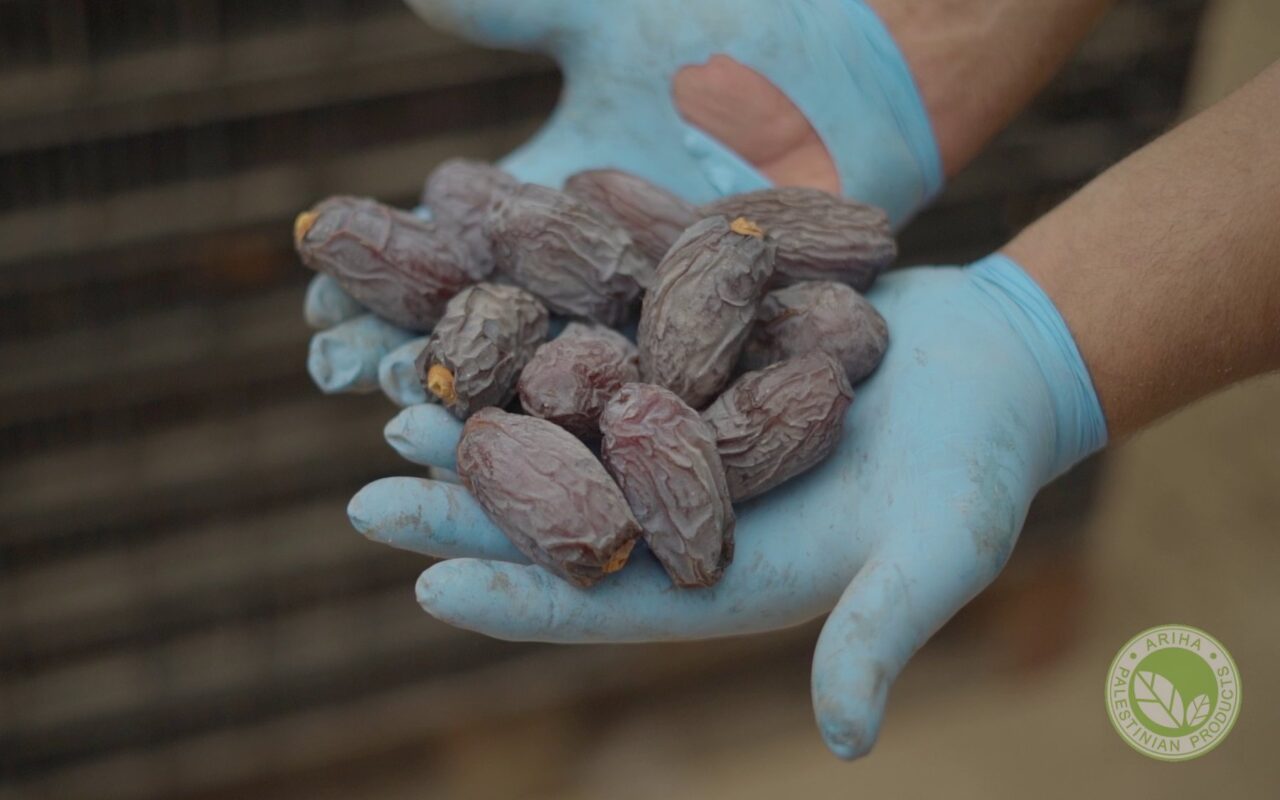
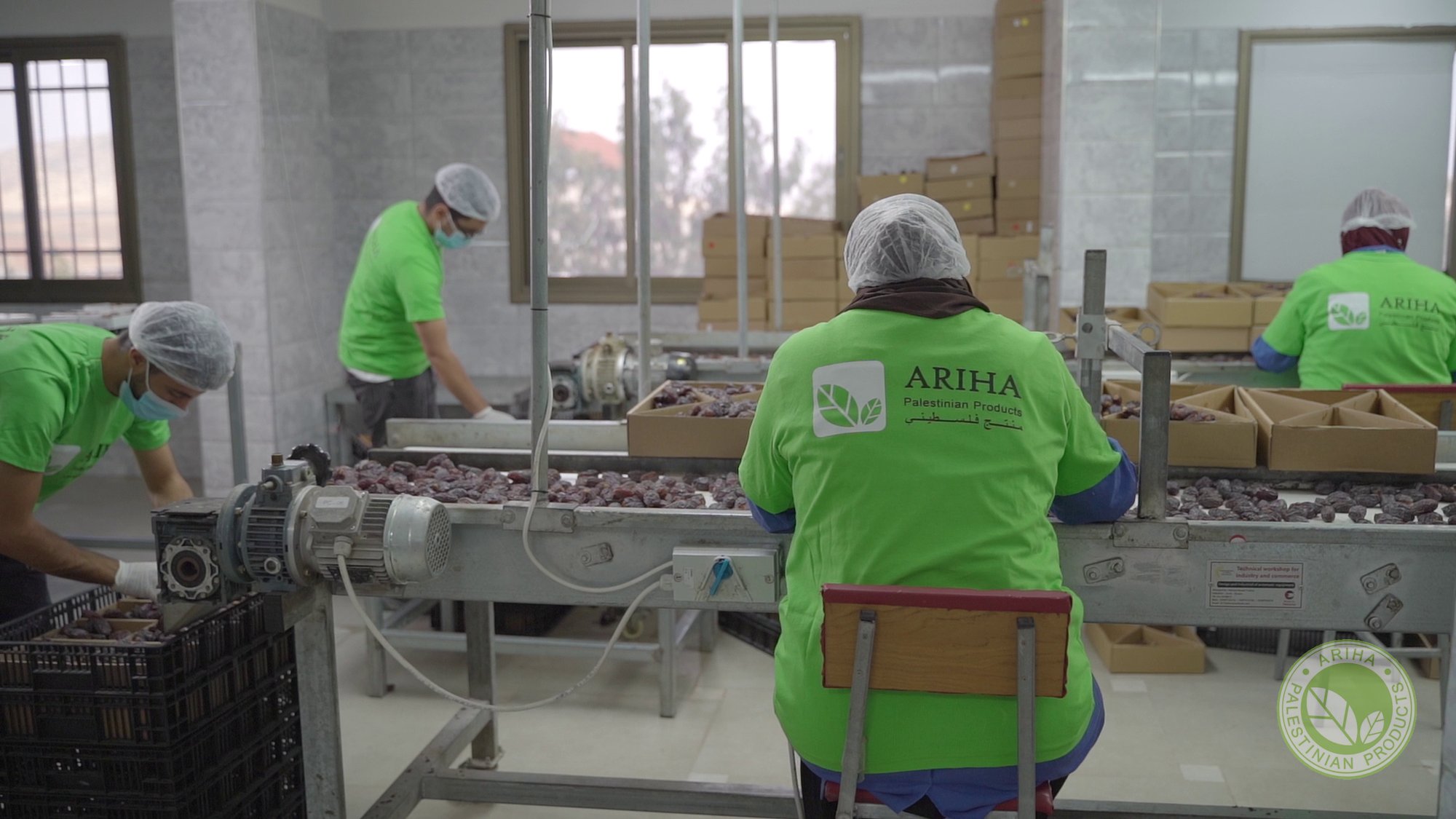
Yes, many Palestinian Medjoul dates are hand-harvested, allowing farmers to select dates at the right level of ripeness. This contributes to better texture, taste, and overall quality.
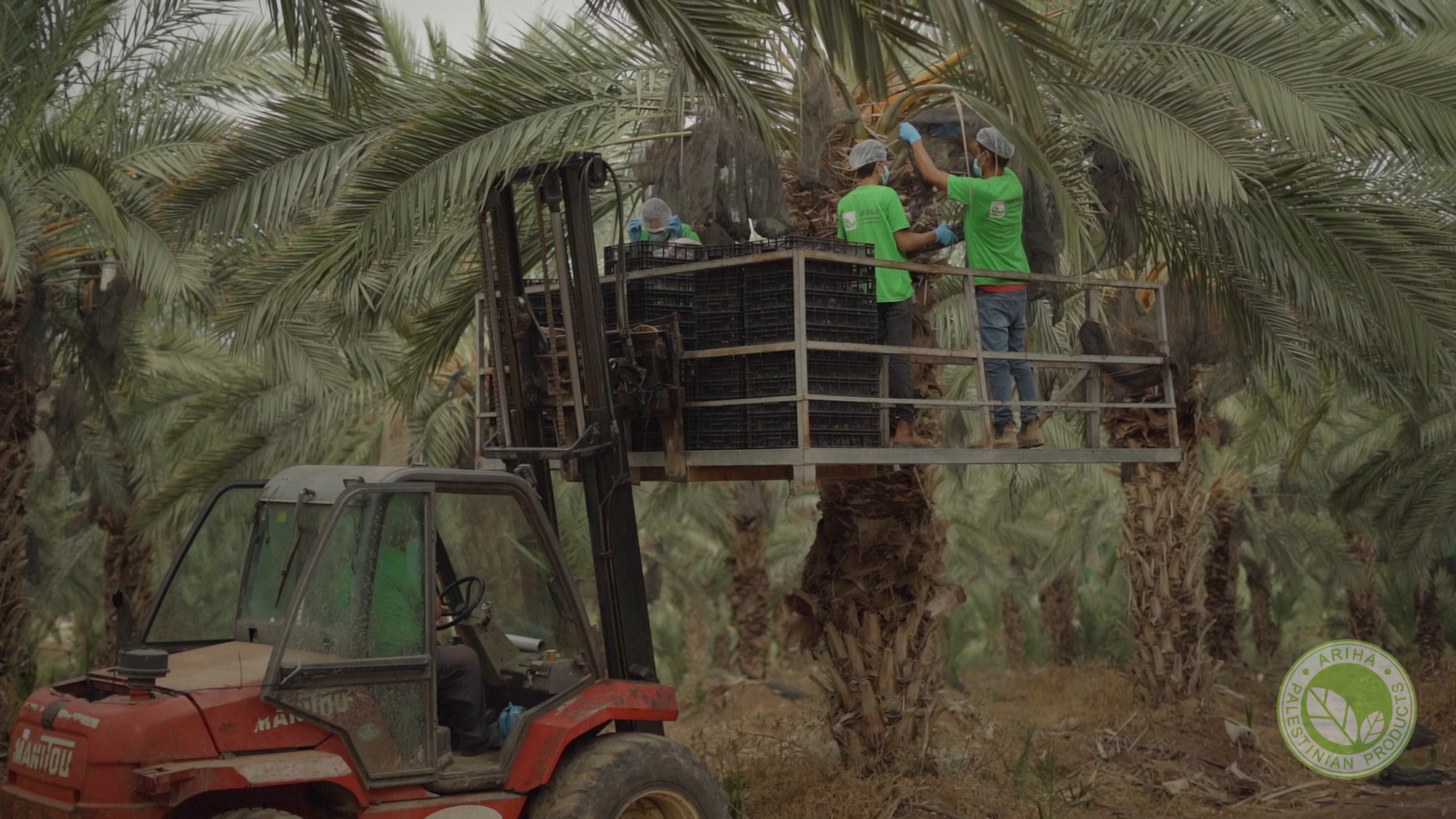
Question 8: How can I be sure these are Palestinian Medjoul dates?
Ariha is committed to transparent sourcing. Our Medjoul dates are sourced from Palestinian farms together with our trusted partner, Yaffa, and are clearly identified as Palestinian in origin with certification, supporting farmers and communities in the region.

Ariha Certificate of Origin
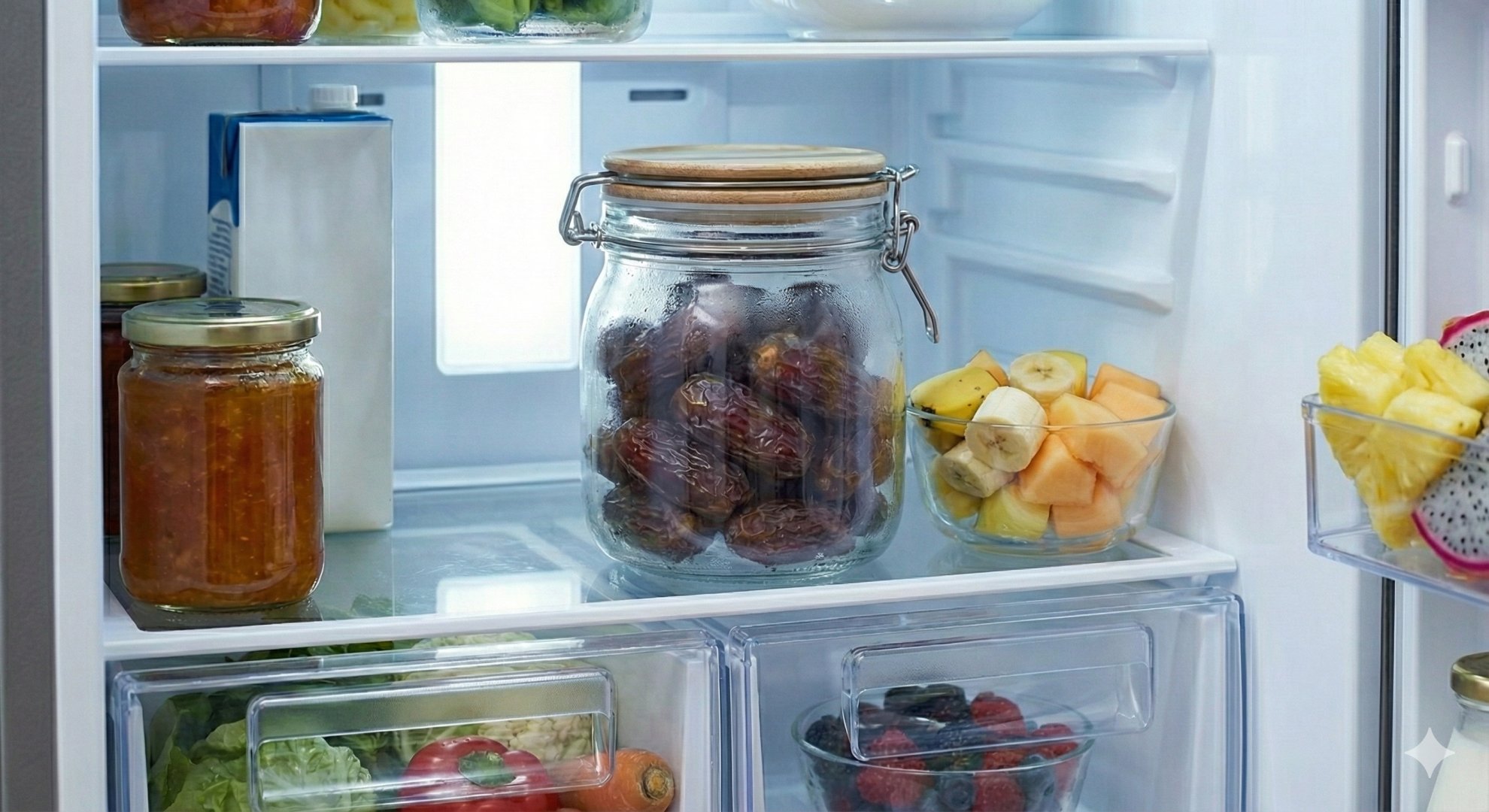
Question 9: How should I store Ariha Medjoul dates?
For best quality:
- Store in an airtight container
- Keep in the chiller or freezer to maintain softness
- Bring to room temperature before serving for the best taste
Question 10: Why you should choose Ariha Medjoul dates?
Choosing Ariha Medjoul dates means choosing:
- Premium-quality Medjoul dates
- Transparent and ethical sourcing
- Support for Palestinian farming communities
- Dates with care, heritage, and meaning

In Short
Ariha Medjoul dates are more than just a sweet treat. They are the result of Palestinian careful farming, resilience, and generations of expertise, delivered to you with quality and integrity.